














Can Misconduct at an Off-Site Work Party Qualify as Sexual Harassment?

By ,

off-site-Sexual Harassment

Many employers have codes of conduct or otherwise generally accepted standards of behavior that workers and manager must follow. Under the best of circumstances, codes of conduct promote a safe work environment. They also help to prevent workers from embarrassing their employers through criminal activity or other unacceptable behavior that might trigger the need for legal assistance from an experienced lawyer.

Employer-enforced codes of conduct clearly apply in the workplace, but just how far that workplace responsibility extends could become the crux of a lawsuit. A recent example of a Tennessee sexual harassment case regarded off-site activities involving off-the-clock employees that eventually entered the workplace.

The event began as an October Halloween costume party that started at the restaurant where attendees worked in 2017. The organizers were in managerial positions and encouraged workers to drink, gave them discounted drink coupons, and sold alcohol to the workers. After the party concluded, several attendees continued the festivities at the home of another worker.

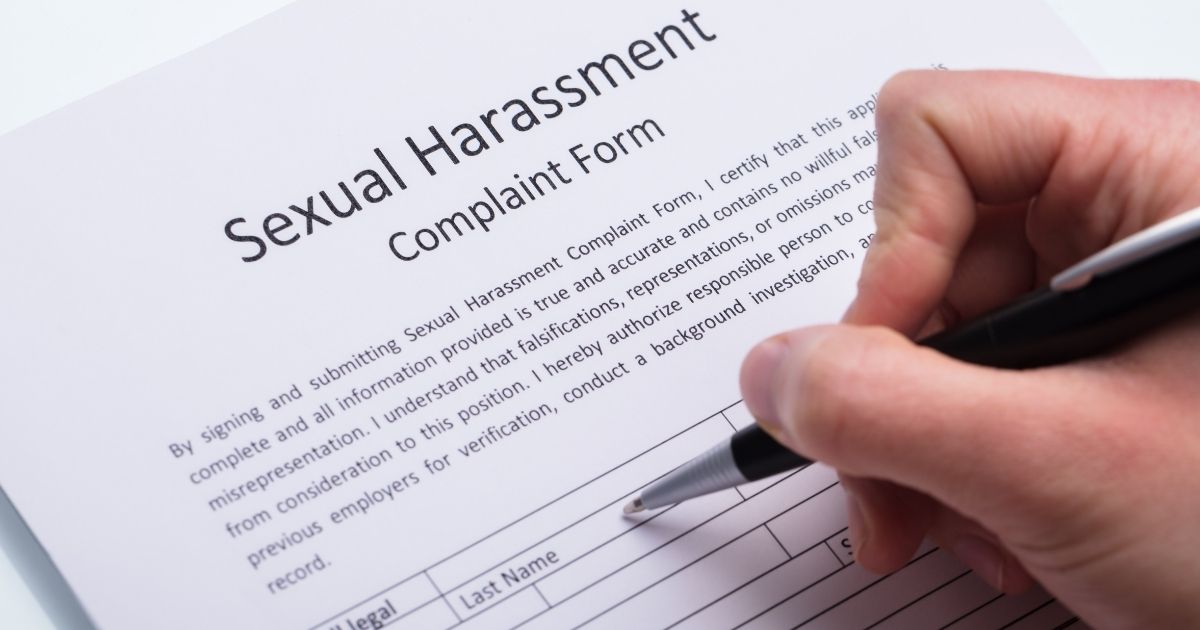
Sexual Harassment Claim Arises

While at the off-site party, an individual allegedly grabbled a female worker by her neck and suggestively pressed his body into hers on two different occasions while at the party. The individual who pressed his body into the worker was an assistant manager at the restaurant and described as the second-in-command at the workplace.

The apparent victim and several of her coworkers afterward reported the incidents to the manager in charge, but the manager dismissed the actions as acceptable behavior. Upon learning of others who experienced the same treatment from the same individual that night, the woman filed a written sexual harassment complaint.

Workplace Retaliation Alleged

Despite a female worker complaining about sexual harassment from a manager and corroborating accounts from others, the worker’s employer did nothing, which gave rise to workplace retaliation. The complaints and initial reaction by management all agreed that the assistant manager in question clearly engaged in the behaviors mentioned. The assistant manager clearly was in a position of power over others and allegedly engaged in unwanted touching and downright unlawful behavior.

However, instead of investigating the complaint, the manager in charge, who also is female, dismissed the matter and blamed the female workers for dressing scantily. The complaining worker afterward says she endured workplace retaliation and ongoing harassment from the assistant manager, including outside her home. The assistant manager maintained his position of power over several women who complained about his behavior, and those workers were forced to serve him whenever he ate at the restaurant.

The worker who complained the most says her managers reduced her work hours and gave her less-favorable work assignments that greatly reduced her tips and work income. The woman also was reprimanded for wearing alleged inappropriate clothing during the Halloween party and was the only worker reprimanded for the claimed offense. She filed a sexual harassment complaint that went to a state trial court.

Courts Weigh Case Merits

The subsequent showed the manager in question was drunk and allegedly made at least five women fear for their safety due to his behavior at the after-hours party. The court ultimately ruled the event took place outside of the workplace, was voluntary, and any alleged sexual assault was not work-related. An appellate court disagreed, however.

An appeal of the lower court’s decision eventually resulted in a judgment against the workplace and the manager in question. The appellate court determined the after-party was a continuation of the word-sponsored event and that employer reasonably should have known about the unsavory behaviors of the manager in question.

The case clearly illustrates the complexities of workplace responsibilities by employers and how even off-site events could trigger the need for services from an experienced lawyer.

Philadelphia Employment Lawyers at Sidkoff, Pincus & Green P.C. Resolve Off-Site Sexual Harassment Cases

The Philadelphia employment lawyers at Sidkoff, Pincus & Green P.C. help clarify complicated legal matters in the workplace, such as liability for off-site sexual harassment. It may be difficult to pursue a lawsuit regarding after-hours sexual harassment, but we can help you build a strong case. Call us at 215-574-0600 or contact us online for an initial consultation. We are located in Philadelphia, and we serve clients throughout Pennsylvania and New Jersey.

  Category: Sexual Harassment
  Comments: Comments Off on Can Misconduct at an Off-Site Work Party Qualify as Sexual Harassment?
  Other posts by

Can Employers Ask Job Applicants About Salary History?

By ,

Salary-History

Applying for a job can be a long and difficult process. Many job seekers will respond to dozens of job posts weekly, hoping one will call back and offer an interview. After weeks and possibly months of waiting, one sticking point can ruin chances: salary expectations.

While most employers are legally allowed to ask candidates about their past salaries, there is a growing movement to stop this uncomfortable practice. Many states have passed laws to bar the question. A study published last year by researchers at Boston University and Boston University School of Law has shown that this shift has helped black and female workers, often suffering from pay gaps, to garner more compensation.

This debate has become increasingly important, as millions wait to re-enter the workforce following massive layoffs from the Coronavirus (COVID-19) pandemic. Many are leaving low-paying jobs in customer service and trying to find more lucrative positions. As companies compete to fill these roles, asking about salary history will face increased scrutiny.

Where Have Legislators Banned Salary History Questions?

Since 2017, there has been a trend of legislatures prohibiting or dissuading employers from asking job applicants to disclose their previous salaries. Some of these states include:


  • Alabama
  • California
  • Colorado
  • Connecticut
  • Delaware
  • District of Columbia
  • Georgia
  • Illinois
  • Louisiana
  • Maine
  • Maryland
  • Massachusetts
  • New Jersey
  • New York
  • North Carolina
  • Oregon
  • Pennsylvania
  • Virginia


In addition to some form of statewide bans, cities like Philadelphia, New Orleans, Salt Lake City, and Louisville have enacted local laws to keep employers from asking about salary history. It is recommended that job applicants inform themselves about what the laws are when applying in certain places, especially when considering moving to a different state or metro market.

Why Do Salary Histories Matter?

Employers have used salary histories in the past to discriminate and exclude certain candidates and potentially save money by offering less salary than what is budgeted. This practice has also been cited as a major factor in maintaining and furthering the pay gap between races and genders. Disclosing a below-market wage would likely encourage future employers to continue undervaluing a worker, offering a less significant pay increase with a new position.

What can Applicants Do to Avoid Salary History Questions?

There are a few ways to work around the question if applicants are uncomfortable. When responding to an online post, leave the entry blank if not required, or enter $0 or $1 if an entry is needed. During an interview, there are tactful ways to avoid answering or politely refusing. If the position is in an area where the question is banned, it should not be asked at all.

More job postings now include salary ranges. A great way to avoid the question is to know what is expected in the industry or position. Noting what someone at a rival company makes can help when salary is not disclosed. Applicants are encouraged to ask employers during the interview process about salary if not provided upfront.

If disclosing salary voluntarily, do so if comfortable. If moving to a larger market with a higher cost of living, it might help to determine if the position offers fair value. Also, do not lie about previous salaries. Employers can usually spot that easily and will likely dismiss dishonest applicants. For further help, it is important to speak to a lawyer.

Philadelphia Employment Lawyers at Sidkoff, Pincus & Green P.C. Help Clients with Employment-Based Predicaments

Job seekers have enough to worry about without dealing with illegal and underhanded practices by potential employers. Sometimes, it takes a skilled advocate to help resolve issues. The Philadelphia employment lawyers at Sidkoff, Pincus & Green P.C. have the experience to fight for your rights. Call us at 215-574-0600 or contact us online for an initial consultation. Based in Philadelphia, we proudly serve clients throughout Pennsylvania and New Jersey.

Am I Prohibited from Discussing Salary?

By ,

Salary might be one of the most popular topics of workplace speculation. While an employer may suggest employees not talk about salary or have a policy to prohibit them from doing so, the law actually protects an employee’s right to discuss their wages. The National Labor Relations Act (NLRA) states that employers cannot ban employees from discussing salary and working conditions. The NLRA was initially drafted regarding labor unions and organizing. The National Labor Relations Board (NLRB) argued that not allowing employees to organize and discuss workplace issues would give employers an unfair edge in bargaining.

Employees can discuss salary among themselves, and an employer cannot discharge or discriminate against employees who do. It is important to note that the law does not guarantee an employee access to salary information. Only that the employee can reveal their salary. For example, if an employee approaches Human Resources (HR) and demands to know the salary of a colleague, HR does not have to release this information. The employee can only find out the salary from their colleague directly.

An employer can ask an employee to sign a confidentiality or non-disclosure agreement (NDA). An NDA generally prohibits discussion or sharing of the company’s trade secrets, marketing strategies, sales, and other information. However, an NDA cannot prohibit the discussion of salary under the NLRA.

Why Discuss Salary at Work?

While most HR people would not advocate for employees discussing salary, there may be occasions where it is helpful. For example, suppose an employee feels they are significantly underpaid compared to a co-worker doing identical work. In that case, it may be beneficial to discuss salary among a few co-workers in the same job. This scenario could include a female worker who wants to ensure they are paid the same as a male in the same position.

A salary discussion might also be beneficial if many people in the company or a certain department believe they are being underpaid versus market rates. There are many resources employees can use to check average salaries in their geographic location or industry. If a group of employees finds they are being underpaid, they could have the leverage to demand a pay raise across the board.

Why Not Discuss Salary at Work?

There also are many good reasons not to discuss salary at work. Most of these have to do with employee morale. It is easy for someone to feel resentful or jealous of a colleague’s salary. Workplace gossip about a salary could also lead to reduced productivity and diminished teamwork.

Discussing salary could also make HR or a person’s manager feel differently toward the employee. Although management cannot fire someone for discussing salary, they can keep it in the back of their minds at performance reviews or promotion time. Additionally, a worker who makes more than anyone in the department may find themselves the target of resentment or other harmful behavior.

Sharing work tirelessly to Information

If there are valid reasons to discuss salary, do so carefully. Talk with only colleagues and co-workers that are trustworthy. Also, make everyone involved agree to confidentiality. Never discuss salary during working hours. Wait until a break or after working hours because the discussion could be risky, and it is important not to waste company time.

What Should I Do if I am Underpaid?

If, after research and discussion, an employee finds they are underpaid, they have certain rights. Their first right is to approach their manager or the HR department, armed with facts and data that show the underpayment. If the company will not budge on salary, the employee can always speak to a lawyer for legal counsel.

Philadelphia Employment Lawyers at Sidkoff, Pincus & Green P.C. Protect Workers’ Rights

Employees have rights under the law, including fair payment. If you feel your rights have been violated, contact the Philadelphia employment lawyers at Sidkoff, Pincus & Green P.C. We help employees get fair and just treatment in the workplace. For an initial consultation, contact us online or call us at 215-574-0600. Located in Philadelphia, we serve clients throughout Pennsylvania and New Jersey.

Can a Business Owner Sue a Customer for Posting a Negative Review?

By ,

Nowadays, posting an online review about a business is easy. The consumer simply shares their experience on social media platforms. While many consumers use these platforms to post positive reviews about companies, unhappy or dissatisfied customers will also share their negative experiences. These reviews can be very helpful to other prospective customers because it helps them to discard unprofessional companies. However, poor reviews can ruin a company’s reputation. When a review is untrue, the business owner may be able to sue the customer for defamation. An experienced business lawyer can review the details of the case and determine whether the business owner has grounds for a lawsuit.

According to a Pew Research Center study, 82 percent of adults say that they read online reviews at least some of the time. Customers have every right to post their opinions online about whether or not they were happy with their experiences with businesses. However, when the comments are factually inaccurate or untrue, there may be grounds for a defamation lawsuit.

What is the Best Way to Respond to a Negative Review?

Even if a negative comment qualifies as defamation and the business owner ultimately pursues a defamation lawsuit, the following are effective strategies that business owners can use to handle negative reviews:

  • Request to remove the negative comment. The business owner may contact the owner of the website and request that the factually inaccurate and defamatory comments be removed. It is important to keep in mind, however, that the owner of the website is not legally obligated to remove the negative review.
  • Post a constructive response. One of the best ways to address a negative review is to post a thoughtful and gracious response. Respond to the specific issues that were brought up in the review, and inform the customer that proactive steps are being taken to address the problem and ensure that it does not happen again.
  • Generate positive online reviews. When products and services are consistently strong, customers are more likely to post positive reviews. Businesses should always strive to provide excellent goods and services to their customers.

There is a right way and a wrong way to respond to a negative review. The following are examples of what not to do when a customer posts a negative online review:

  • React too quickly. After reading a negative comment, it may be tempting to respond immediately. However, if the response is negative and was made in the heat of the moment, it can make the situation worse. Take some time to calm down before responding, and put together a response that is measured and professional.
  • Ignore the comment. Despite being difficult to read, business owners should not ignore or disregard negative comments because they are critical or disparaging. Consider whether there is any truth behind the comments; it may be an opportunity to make some changes or improvements going forward.
  • Retaliate against the reviewer. This can cause problems in the future for a business owner, particularly if they plan to proceed with a defamation lawsuit.

Strategic Lawsuit Against Public Participation

A strategic lawsuit against public participation (SLAPP) lawsuit is a civil complaint or counterclaim that a business owner can file against an individual or an organization who posted a negative online review. Oftentimes, filers do so in order to protect an economic interest as well as their professional reputation.

However, before filing a SLAPP lawsuit, it is important for business owners to understand that Pennsylvania has passed anti-SLAPP laws that prevent individuals or businesses from censoring critics with the threat of a lawsuit. For help understand the legal options after a negative business review, it is beneficial to speak to a business lawyer.

Philadelphia Business Lawyers at Sidkoff, Pincus & Green P.C. Assist Business Owners with Defamation Lawsuits

If a customer posted a negative review about your company and the comments were unfair or untrue, the Philadelphia business lawyers at Sidkoff, Pincus & Green P.C. will help you seek compensation for the loss of customers and income caused by the false statements. For an initial consultation, call us at 215-574-0600 or contact us online. Located in Philadelphia, we serve clients throughout Pennsylvania and New Jersey.

  Category: Discrimination
  Comments: Comments Off on Can a Business Owner Sue a Customer for Posting a Negative Review?
  Other posts by

National Coffeehouse Chain Reaches Settlement Over Racial Bias in Promotions

By ,

In March 2021, Starbucks entered into a voluntary agreement with the Equal Employment Opportunity Commission (EEOC) over accusations of racial bias in the promotion of employees. While there were no singular cases or incidents pointing to this accusation, the company did submit a new plan for promoting internally. The standardized methods will mandate managers to follow company procedures in the hiring of new employees and the promotion of existing ones. Workers must apply to open positions, internally or externally, to be considered for roles.

Starbucks has been embroiled in race-related controversy before. In 2020, employees raised concerns over censorship of allowed messages with their uniform. The corporation has acknowledged past failures and claims they will strive to do better, including the revision of hiring practices to promote company-wide diversity.

What can Constitute as Bias in Hiring and Employment?

Federal law says employers are not allowed to discriminate against employees or job applicants based on:

  • Race
  • Color
  • Religion
  • Gender or gender identity
  • Sexual orientation
  • Pregnancy status
  • National origin
  • Age
  • Disability

The primary concern in the Starbucks complaint is the implicit bias often linked to informal hiring practices. While some workers will inevitably stand out for superior work performance, oftentimes, offering a new hire or moving an existing employee up the ladder can require a judgement call.

To mitigate this implicit bias, Starbucks has taken away much of that autonomy and will now regulate and track application data and promotional opportunities, establish new training and interview guides for hiring managers, who will be encouraged to make merit-based and equity-based decisions in their process. The company does have more diversity at the retail level compared to the corporate level.

How are Bias Allegations Handled?

The EEOC tries to keep current and prospective employees from experiencing bias by offering preventative measures, including educational programs, employer outreach programs, and technical assistance. The commission operates 53 field offices across the United States.

Despite all the resources available and the established laws, there are still instances where job applicants and employed workers feel they are being discriminated. The EEOC will cover most companies with 15 or more employees, 20 or more in the case of age discrimination, along with unions and employment agencies. They handle claims involving:

  • Hiring
  • Firing
  • Promotion
  • Harassment
  • Training
  • Wages
  • Benefits

A worker bringing a claim to the EEOC can expect the commission to investigate the claim fairly and accurately. The commission will make a finding and attempt to resolve if discrimination has occurred. In some cases, the EEOC will file a lawsuit if the issue is not corrected, the actions are particularly egregious, or if there is a wider concern that affects more employees beyond the company in question. To strengthen a claim, a discriminated worker should speak to a lawyer.

Philadelphia Employment Lawyers at Sidkoff, Pincus & Green P.C. Help Workers with Discrimination Cases

Despite state and federal laws, many employees continue to experience discrimination at work. If you need help with your discrimination case, the Philadelphia employment lawyers at Sidkoff, Pincus & Green P.C. can help you get the relief you deserve. Call us at 215-574-0600 or contact us online for an initial consultation. Located in Philadelphia, we serve clients throughout Pennsylvania and New Jersey.

  Category: Discrimination
  Comments: Comments Off on National Coffeehouse Chain Reaches Settlement Over Racial Bias in Promotions
  Other posts by

What are the New Regulations Under the Corporate Transparency Act?

By ,

At the start of the new year, the U.S. Senate voted to override former President Trump’s veto of the National Defense Authorization Act of 2021. With this development, important amendments to the United States anti-money laundering law (AML) took effect. Among these regulations is the Corporate Transparency Act (CTA), which is a set of important provisions designed to discourage “shell” companies and reduce corporate corruption in all sectors.

One of the most significant provisions included in the CTA is the requirement that all businesses file beneficial ownership information with the Financial Crimes Enforcement Network (FinCEN). This fundamental transparency stops criminals and illegitimate entities from using anonymous shell companies to hide illegally gained funds.

Key Provisions of the CTA

Under the CTA, businesses operating in the United States must submit the following information every year for each beneficial owner to the FinCEN:

  • Legal name;
  • Date of birth;
  • Address; and
  • Unique identification number, such as information from a driver’s license or passport.

It is worth noting that while reporting this information to the FinCEN is mandatory, there are strict rules about how this data is stored, used, and distributed. While banking and government agencies are permitted to access beneficial owner records, the general public is not.

Several types of employees are exempt from being beneficial owners. Most beneficial owners are individuals who directly or indirectly maintain substantial control over the business or own or control at least 25 percent of the ownership interests in a business.

Does the CTA Apply to Every Business?

The CTA applies to corporations, limited-liability companies (LLCs), other related entities, and new businesses as they form. Large companies, which are generally already heavily regulated and currently reporting to other government agencies, may be exempt from the CTA. Exempt businesses include those with more than 20 employees with revenues over $5 million, most financial institutions, including banks and credit unions, and churches and other nonprofit organizations.

What Does the CTA Mean for My Business?

Businesses that do not comply with CTA provisions face civil penalties of up to $500 per day until compliance is met and criminal fines of up to $10,000 and possible jail time. For this reason, it makes sense for every business owner to consult with a skilled business attorney in their area.

An experienced business attorney can explain the CTA in great detail, help with business tort litigation matters, assess how their client is impacted by the new transparency guidelines, and take steps to ensure they are in full compliance going forward.

Philadelphia Business Attorneys at Sidkoff, Pincus & Green P.C. Ensure Clients Comply with Regulations and Avoid Costly Penalties

There is always a learning curve when it comes to understanding and implementing new business regulations. A seasoned Philadelphia business attorney at Sidkoff, Pincus & Green P.C. can take the guesswork out of navigating new legislation so you can focus on growing your business. To learn more about your case and an initial consultation, call us at 215-574-0600 or contact us online. Based in Philadelphia, we serve clients throughout Pennsylvania and New Jersey.

How Do Employers Defend Discrimination Claims?

By ,

There are federal and state laws in place that protect employees from discrimination and harassment. Companies who face discrimination suits can defend against the claims if they have taken all the reasonable steps needed to prevent employees from committing acts of discrimination or harassment. However, a plaintiff in a recent court case, Allay (UK) Ltd v Gehlen, challenged an employer using that defense and succeeded. Of course, this ruling is not precedential here in the US, but it has value to highlight how courts may be starting to alter their views on workplace discrimination.

In the United Kingdom, an employee who was fired for poor performance informed their employer that they experienced workplace harassment. The employer initiated an investigation and determined that a colleague had made racist remarks. The discrimination claim was investigated further, and the tribunal learned that two managers knew about the comments but did not take action.

It was found that the managers and employees had been provided with discrimination training, but the training program was outdated. Since the employer had failed to update their training, the Employment Appeal Tribunal decided that the company did not take all of the reasonable steps that could have prevented the harassment. The employer’s appeal was therefore dismissed.

When are Employers Liable for Workplace Harassment?

Under the Equality Act 2010, an employer has accountability for other people’s actions in workplaces, which is called vicarious liability. Section 109 of the Equality Act specifies that anything that an employee does in their course of their employment must be looked at as also done by the employer. Even when the employer is unaware of the discrimination, they can still be held liable. This also extends to other people that the employer brings in, such as consultants, company-sponsored events, and unwelcome posts on work-related social media platforms.

Can My Employer Defend Against My Discrimination Claim?

Even though employers can be held vicariously liable in workplace discrimination suits, they have the option of trying to show that they took reasonable steps to prevent the discrimination. Employers that have strong anti-discrimination procedures and policies that are kept in practice may be able to defend their interests. They may also need to show that staff members have been trained on preventing and addressing discrimination and that they take all discrimination allegations seriously.

How Do State Anti-Discrimination Laws Apply?

In Pennsylvania, employees are also protected by state and federal laws. The Pennsylvania Human Relations Act protects employees by making it illegal for employers to discriminate based on:

  • Race
  • Religion
  • Sex
  • Color
  • National origin
  • Age

There are other protected categories as well. Workplace discrimination claims can be filed through the Equal Employment Opportunity Commission (EEOC), which is a federal agency, or the Pennsylvania Human Relations Commission (PHRC), the state administrative agency. These two cooperate with claim processing, so it is not necessary to file with both; you can also dual-file with both. Deciding which agency is best to file the initial claim is something an attorney can help with.

To conform with the laws, the claims must be filed within 180 days after the alleged discrimination took place. There may be exceptions to that deadline, so it is important to understand the facts before filing. A qualified employment lawyer can help with the claim filing process, as well as any challenges that the employer might make.

Philadelphia Employment Lawyers at Sidkoff, Pincus & Green P.C. Work Tirelessly to Protect Employees Against Workplace Discrimination

If you believe you were harassed or discriminated against at work, you may have a legal claim. A Philadelphia employment lawyer at Sidkoff, Pincus & Green P.C. can help you with your discrimination or harassment case. Complete our online form or call us at 215-574-0600 for an initial consultation. Located in Philadelphia, we serve clients throughout Pennsylvania and New Jersey.

Which Employment Laws Change Frequently?

By ,

It can be difficult for businesses to keep up with all the changes passed by Congress and state legislatures. However, there are ways to focus attention on certain areas of law and how to possibly avoid any compromising situations with company policies. The Coronavirus (COVID-19) pandemic has created a new set of challenges to businesses, some of which have come from needs for new regulations or emphasizing outdated ones. Outside of the COVID-19 pandemic, state and local governments continue to alter the following laws.

Minimum Wage

Minimum wage may be the most important law to follow. It varies greatly by state and even county in some states. The rules affect hourly and salaried workers. Exempt workers often see their salary floor adjust based on the local minimum wage. If employees travel for work or operate in multiple jurisdictions, that can also affect wages.

Paid Sick and Family Leave

Paid sick leave and family leave laws are starting to appear in different states and cities, often with different language and guarantees for employees. Many of these laws create challenges for managers and Human Resource (HR) professionals. These professionals may not correctly apply hours or unnecessarily penalize workers for opaque policies.

Legalization and Decriminalization of Recreational Marijuana

More states are now enacting or forming legislation that decriminalizes recreational cannabis. That may alter business practices of drug testing employees. While some states may legalize it, marijuana remains a controlled substance on the federal level and is illegal. Any company looking to do business with the federal government or any of its departments or entities may want to maintain restrictions until otherwise clarified. Additionally, many states have put new restrictions on what employers can ask or demand of job applicants. This can make questions about criminal background or salary history obsolete.

How can Companies Adapt to Remote Work Regulations?

Many businesses have allowed employees to work from home during the COVID-19 pandemic. While the decision has kept millions healthy and productive, the long-term ramifications are evident. Companies must still manage workers operating from home; this includes providing for all breaks, establishing consistent expectations for work output and duties, and making sure employees are in Fair Labor and Standards Act (FLSA) compliance with their work. It is important for employers to communicate clearly and consistently to reinforce expectations and policies.

While it may not be as easy to comply with labor laws, if most workers stay out of the office, there is still a mandate to meet the requirements. Employers can use websites or emails to fulfill their obligations; this can allow for active verification of receipt or engagement by employees, as well as the ability to update with ease. Companies and employees should expect working from home to continue even after the pandemic ends. Adapting to policy changes can create new expectations that can help keep employees satisfied and retain talent.

How Should Companies Adapt?

It can be very difficult to stay compliant with all changes. If businesses can afford to keep wage floors elevated across multiple jurisdictions, it may help worker retention and attract better applicants. Many multi-state companies utilize uniform policies for hiring, leave, and other areas that give the most generous options to workers. Uniform policies also reduce the amount of potential changes that come from new laws and the amount of resources spent monitoring reform efforts. For help with complex litigation matters and abiding by company policies, it is wise to consult with an employment lawyer.

Philadelphia Employment Lawyers at Sidkoff, Pincus & Green P.C. Help Business Owners Monitor Employment Law Changes

Following various legislation while trying to run a business is challenging, but legal counsel can help. Our Philadelphia employment lawyers at Sidkoff, Pincus & Green P.C. have the experience and insight necessary to keep you focused on your success. Call us at 215-574-0600 or contact us online for an initial consultation. Located in Philadelphia, we serve clients throughout Pennsylvania and South Jersey.

What are the Legal Considerations for a New Trademark?

By ,

Starting or growing a business comes with many legal considerations. A major component is branding the new venture with a trademark to provide identification. However, with more of the marketplace globally available, it can be challenging to find something that resonates with the business. Small business owners should not impulsively decide. Business owners should invest in researching the industry or product territory both locally and online to avoid resembling competitors.

Completing a trademark search will help identify potentially competing ideas and brands that will help the process. Having a unique last name or combining words can avoid common legal pitfalls. More common names or brands may appear if they are not directly competing in the same sector. Using an established name may create additional challenges, but it is not completely forbidden.

Check social media to see what potential competitors use with trademarks and general branding strategy. Social media platforms have become more vital in building new companies. App stores would be a good place to find brands with similar names and functions. There are also common law databases available for regional companies who entered the marketplace and have done business with a trademark but did not file nationally.

What Should Business Owners Avoid?

The following are some suggestions on what to avoid in creating a new trademark:

  • Being too similar phonetically to other trademarks.
  • Being too visually similar to other trademarks.
  • Being similar to brands with a record of challenging trademarks in court.
  • Coincide with any legal precedent that would warrant a legal challenge.

The U.S. Patent and Trademark Office has videos and other online resources to help companies avoid common mistakes in creating a trademark and expedite the approval process.

What Should Companies Do While Applying for a Trademark?

The application for a trademark will require a physical manifestation of the new mark, both in basic logo form and on apparel or marketing materials. Make sure the wording and illustration are distinctive enough to uniquely identify the brand for consumers.

Rights to a trademark go to the first company to use it in a specific field or region. However, federal registration can allow a company who does not file first to be the owner of a mark or brand name. While the process is long and costly, it may be beneficial long-term for a company to register federally. Locking in usage requirements happens when either a brand comes to market for sale, or the promotion of the brand is used through printed or digital resources. This works best for a consistently marketed or sold product or service. A trademark that is not used for about three years may lose its rights.

If applying, business owners should make sure to follow up with any questions or challenges that may be posed to try to avoid complex litigation issues. If anything arises, the legal process can take months or longer if it is not properly vetted and all procedures are followed.

Philadelphia Business Attorneys at Sidkoff, Pincus & Green P.C. Help Business Owners with Trademark Applications and Disputes

There are many considerations while forming a trademark for a new company. The U.S. Patent and Trademark Office strongly encourages using a licensed attorney with trademark law experience to help with the process. A Philadelphia business attorney at Sidkoff, Pincus & Green P.C. can help your company and defend your new trademark application. Call us at 215-574-0600 or contact us online for an initial consultation. Based in Philadelphia, we serve clients throughout Pennsylvania and South Jersey.

Is My Company in Compliance with Changing Employment Laws for 2021?

By ,

Now is a good time to check if companies are compliant with new employment laws passed last year. Congress, state legislatures, and the courts altered employment law throughout 2020. Certain states mandated new topics to cover and shifts in employment philosophy make other subjects more relevant. States may require or recommend training on:

  • Sexual harassment
  • Anti-discrimination
  • Work-site safety
  • Industry-specific subjects
  • Ethics and compliance
  • Diversity and inclusion
  • Unconscious bias

For managers and other supervisory personnel, they may need additional training on the Fair Labor Standards Act (FLSA), performance management, the Family Medical Leave Act (FMLA), and other topics. All trainings should be documented, and employees should achieve the necessary assessment scores. When not using computer-based modules with integrated sign-ins to verify completion, keep sign-in sheets and other paperwork in one place or file.

Is the Employee Handbook Current?

It is important to keep up with the laws that may affect certain policies already in place in employee handbooks. Laws will vary by state, which can make it confusing for employers operating in multiple locations. For drug testing policies, look to see if they should be altered. Many companies operate in multiple states and some states who legalized recreational cannabis abandoned testing unless specifically required in some industries.

Many companies allowed employees to work from home in 2020 due to the pandemic. That forced some adjustments to those policies. If the company wants to protect employees by allowing them to work from home when possible, make sure the handbook follows any new laws passed. According to the Americans with Disabilities Act (ADA), if work from home does not create an undue hardship on business operations, more employees may be allowed to stay home instead of working on site.

With the federal government passing multiple relief packages to combat the current Coronavirus (COVID-19) pandemic, there have been new programs to allow paid leave for parents who lost childcare or have children learning from home. Other cities and states created new or expanded paid leave laws. COVID-19 has also created awareness around personal safety. Multiple states adopted new worker protections while the Occupational Safety and Health Administration (OSHA) introduced new safety procedures specific to the pandemic. If this was not updated during 2020, affected policies should be changed for this year. Additionally, the Supreme Court altered Title VII language to include sexual orientation and gender identity under sex discrimination.

Has the Application Process Been Updated?

Over half the states in America now have some form of banning requested salary histories for hiring applicants, including most states in the northeast. Even within those states, there are different rules for specific cities and counties. Other states and municipalities have altered rules on what can be asked of candidates, such as prior arrests or other considering factors that may not directly apply to the position. Thirty-four states also have legislation that prevents or limits employers from asking about criminal history as an effort to reduce recidivism.

Philadelphia Employment Lawyers at Sidkoff, Pincus & Green P.C. Help Employers Stay Compliant with Changing Employment Laws

It can be difficult to keep track of all the legislative changes that may affect your business. Oftentimes, slight alterations can have a bigger impact than high-profile bills. Let the Philadelphia employment lawyers at Sidkoff, Pincus & Green P.C. guide your company through the changing landscape of COVID-19 policies and how it affects your business. Call 215-574-0600 or contact us online to schedule an initial consultation. Based in Philadelphia, we serve clients throughout Pennsylvania and New Jersey.

  Category: Employment, Employment Law
  Comments: Comments Off on Is My Company in Compliance with Changing Employment Laws for 2021?
  Other posts by