



















Should I Pass the Family Business to the Next Generation?

By ,

family business

There are about 5.5 million family-owned businesses in the U.S., caccording to advocacy group, Family Enterprise USA. Therefore, many business owners need to decide if, how, and when they will pass on their business to the next generation. The best way to ensure a smooth transition and successful business continuation is to have a succession plan. Business owners should develop the plan with input and support from all family members who have an interest in the business. However, that leads to the question of who should inherit the family business?

Sometimes there are no children to inherit the business. Other times, children do not want to inherit the business, and there are no other relatives or close friends they trust. Still, other business owners do not want to retire, and by the time they do, potential new owners have moved on. Before business owners can develop a succession plan, they need to get buy-in from those they want to inherit the business. The next generation of owners could be children, relatives, friends, or other business owners. Acceptance and support from all potential new owners are crucial before developing a succession plan. If children will inherit the family business, consult with a lawyer about an estate plan as there may be tax and equity considerations.

Why Does a Family Business Need a Succession Plan?

A good succession plan will detail plans for a business when the current owner retires, or if the unexpected occurs, such as a death or disability of the owner. Sadly, a business could simply die out without a solid plan for continuance in place. The business could also be lost to estate and inheritance taxes without a plan that addresses tax issues. If there is no clear plan in place for ownership transfer, family issues could harm both the business and family relationships. A succession plan will cover the details of how and when the transfer will occur, associated costs, a business valuation, and how the transfer will be financed.

What Does a Business Succession Plan Include?

A succession plan must include the right people, such as a business lawyer, accountant, financial advisor, business valuation expert, CFO, and all family members and others who will have a role or financial interest in the transferred business. Every business situation is unique and will require different plans. A succession plan should address the following in detail:

  • The mission, vision, guiding principles, and values agreed upon by the current owner and all successors.
  • A timeline of important personnel transitions, business deadlines, events, projects, and plan implementations.
  • Identify strengths, weaknesses, and development plans for each candidate, in addition to responsibilities and management expectations.
  • A business valuation, stock or other equity positions, sales and growth expectations, as well as budgets, business debts, and other important financials.
  • The types of insurance that need to be acquired, renewed, changed, or stopped.
  • A summary of operating procedures, including processes, policies, partners, vendors and suppliers, products and services, new projects, training, IT, human resources, customer and client demographics, and marketing/sales plans.
  • A communications plan stating how employees, business partners, customers and clients, the community, and local media will hear about the transition.

Creating a succession plan for the family business is a complex task that requires the expertise of trained professionals. Passing the torch to the next generation can go smoothly with the right people helping business owners.

Philadelphia Business Lawyers at Sidkoff, Pincus & Green P.C. Help Business Owners with Succession Plans

If you are considering passing on your business to a family member, relative, friend, or another business, a business succession plan can help make it a smooth transition. Contact a Philadelphia business lawyer at Sidkoff, Pincus & Green P.C. today. We pride ourselves on staying abreast of all developments in business law and business succession planning. Contact us online or call us at 215-574-0600 for an initial consultation. Located in Philadelphia, we serve clients throughout Pennsylvania and New Jersey.

  Category: Business Law
  Comments: Comments Off on Should I Pass the Family Business to the Next Generation?
  Other posts by

How Can Employers Help Employees Embrace Company Culture Changes?

By ,

legal team

A distinct company culture is very important to the success of a business. Company cultures may change periodically to reflect new technologies and policies. Although necessary, this can be difficult for certain employees to embrace and accept, especially if they have been at the company for a long time.

Workplace culture is a broad term that encompasses a company’s physical environment to the mental and psychological space that company executives have created for their employees. It is the personality of a company that employees and clients embrace when walking into the office. Firm culture is important for a company to establish when expanding. A positive workplace culture will ultimately lead to a higher success rate for the company.

How to Handle Changes in Workplace Culture

Finding the perfect firm cultural balance may take time and is something that will continuously need improvement. Creating a workplace that can quickly and efficiently adapt to changes is important in making employees feel comfortable. The first step a company can take before, during, and after workplace change is to assess their current environment and develop a way to produce a more positive culture. To do this, company executives should put more priority on the hiring process to help weed out toxicity and hire positive people. Companies can also develop committees and programs to help maintain a positive work culture and help those who need it while transitioning to new workplace systems. The following are ways to help produce and maintain a positive work environment:

  • Firmwide meetings: Include every employee in a monthly meeting where all team members can ask questions and address their concerns. Seek feedback and employee engagement whenever possible to show employees that they are valued, and their opinions are important.
  • Anonymous complaints: Create a place where employees can address their problems anonymously if they do not feel comfortable speaking to their supervisors face-to-face.
  • Lead by example: Introducing new technologies or protocols to a workplace may be confusing and intimidating to employees. Executives should lead by example and show employees that change is good and necessary for the success of the company.
  • Diversity and inclusion committee: Create a committee that focuses on making a more equitable work environment.
  • Maintain a sense of community: Managers should ensure that their employees feel welcomed and part of a team. They should remind employees that they are a main component to the success of the company and are a valued team member.
  • Appropriate training: Managers should train their employees properly to prepare them for how their work culture is run and maintained. Training should also cover how change is enacted and handled to better prepare new employees for workplace adjustments.
  • Create change from an employee’s perspective: It may be easy for a manager to produce changes that they feel are good for the work environment, but it is more productive to approach change from an employee’s point-of-view and listen to what they have to say.

What to Do If an Employee is Unhappy with the Firm Culture

Not every employee reacts to company change in the same way. If an employee is upset or requires a slower transitional period, discuss with them their concerns. Changing and adapting to new company culture protocol can take time but is necessary when getting employees to embrace a business. Companies should create a workplace culture where employees feel comfortable and valued at work. Establishing a culture where change is embraced and accepted is also important to the success of a company, as well as to the success of individual workers.

Philadelphia Business Lawyers at Sidkoff, Pincus & Green P.C. Make Company Changes Easier to Understand

The Philadelphia business and employment lawyers at Sidkoff, Pincus & Green P.C. range in experience with business and employment matters to help produce the best outcome for our clients. Call us today at 215-574-0600 or contact us online for help with your legal matter. Located in Philadelphia, we serve clients throughout Pennsylvania and New Jersey.

  Category: Business Law, Employment
  Comments: Comments Off on How Can Employers Help Employees Embrace Company Culture Changes?
  Other posts by

Equal Pay Lawsuits Filed by Female Professors

By ,

Equal Pay

Equal pay is a constant fight for women in the workplace. Despite having similar or better credentials, women are still being paid less than their male counterparts. No matter the profession, gender discrimination happens in all workplaces, especially within those with a high population of older men. Women must work harder to prove themselves and may work their entire lives without being paid fairly in comparison to their male co-workers.

A law professor at the University of Texas School of Law recently filed an Equal Pay Act lawsuit due to the unfair pay she received in relation to her male co-workers. This complaint also alleges sex discrimination and retaliation under Title VII of the Civil Rights Act of 1964. This is not the first time that the law professor complained to the university about unfair compensation and sexual discrimination. She speaks out frequently about the pay inequality at the university, despite the school’s verbal negative perceptions of her and her actions.

A Texas judge granted the university’s motion to partially dismiss the law professor’s lawsuit due to a failed causal connection between her pay complaints and receiving the lowest raise of any school faculty member. Her claims are still ongoing.

Ongoing Claims

This is not the first woman professor to bring a lawsuit to court. At least five other equal pay lawsuits have been filed by female professors from various universities since 2016. These lawsuits have been filed due to the way universities determine compensation. Law school deans often have significant say in pay decisions, which can be tainted by gender bias and because many men in the teaching field gain more respect for research and writing, despite their lack of quality and importance in relation to their female co-workers. This increases the dean’s overall opinion of male professors and allows them to raise their salaries.

Gender discrimination and pay gap issues often occur in the workplace. Many situations go unnoticed because women are afraid of the consequences if they mention it to their bosses. The female law professor has been described as poison after she confronted the appropriate parties. Other professors who filed lawsuits also stated that they were removed from important committee assignments and ignored in the workplace. Words and actions like these are why women are afraid to take a stand against pay inequality.

Although there are many obstacles that women face in the workplace, especially when it comes to pay gaps, it is important to fight for equal compensation. Fighting for equal pay is an ongoing battle and requires female workers to stand up for themselves when they feel as though they are being treated unfairly.

Philadelphia Employment Lawyers at Sidkoff, Pincus & Green P.C. Fight for Equal Compensation in the Workplace

If you feel as though your pay does not match your abilities and that you are not being fairly compensated, contact the Philadelphia employment lawyers at Sidkoff, Pincus & Green P.C. for help. Our dedicated team understands the pay gap frustration and will work hard to ensure you receive proper pay. Gender discrimination is a serious issue that will only get resolved if we continue to fight for the rights of female workers. Call us today at 215-574-0600 or contact us online. Located in Philadelphia, we serve clients throughout Pennsylvania and New Jersey.

How Should Employees Return to the Workplace During the COVID-19 Pandemic?

By ,

covid-19

Employers who need employees to return to the workplace during the COVID-19 pandemic must have a solid plan in place to ensure safe and compliant workplaces. This plan should take into consideration the guidelines issued by various regulatory agencies, including the Centers for Disease Control and Prevention (“CDC”) and the Occupational Safety and Health Administration (“OSHA”). As regulations and guidelines change, employers must continue to remain compliant. Working with lawyers who fully know and understand compliance guidelines can help employers make a smooth, safe, and lawful return to work.

How Should Employers Develop a Return to the Workplace Plan?

The best way to start developing a plan is to become familiar with the guidelines, laws, and regulations that have been issued by health agencies and other governing bodies. Topics include the following:

  • OSHA guidelines pertaining to the three phases of reopening
  • CDC guidance on identifying potential exposure to COVID-19 and how to eliminate or lessen exposure
  • Medical monitoring of employees and employee self-reporting of health conditions
  • Confidentiality guidelines
  • Employer and employee rights
  • Safety protocols for visitors, guests, vendors, and job applicants

Another good strategy is to hire an employment lawyer to navigate the sheer volume of requirements and information available. A lawyer can also help employers make a compliant and safe transition back to the workplace.

What Should Employers Include in a Return to Work Plan?

At the minimum, a return to work plan should include the following three phases:

  • Telework accommodations, reduced business travel, and limited in-office work
  • Increased in-office personnel, increase in business travel
  • Unrestricted staffing at workplaces and work sites

Each phase of the plan must address these issues:

  • How to prevent, monitor, and respond to individual cases or a resurgence of COVID-19 in the workplace or community
  • Specific guidelines for hygiene, including mask wearing, handwashing, temperature monitoring, disinfecting, and cleaning the workplace
  • Social distancing plans and how to physically configure the workplace to comply with social distancing
  • Establishing and communicating new policies and procedures on employee travel, employee gatherings, and use of employer facilities, such as break rooms, restrooms, fitness centers, and meeting rooms
  • How to monitor employee health and isolate sick employees
  • Implementing sick leave or other policies to increase flexibility and reduce concerns during the pandemic
  • How to train employees on hygiene and new policies and procedures as a result of compliance with guidelines
  • Educating employees on how to stay safe and healthy outside of work, offering free resources to employees, including masks, hand sanitizer, and information
  • Ongoing workplace hazard assessment to reduce potential areas where the virus can live or spread
  • Clear guidelines for responding to employee concerns, OSHA complaints, and lawsuits

A good first step is to contact an employment lawyer who can counsel on the most appropriate, current, and legal resources available to a business or company.

Philadelphia Employment Lawyers at Sidkoff, Pincus & Green P.C. Help Businesses Lawfully Reopen and Return to Work

If your company needs direction with its plan to reopen successfully and legally, reach out to the Philadelphia employment lawyers at Sidkoff, Pincus & Green P.C. Our knowledgeable and dedicated attorneys know the COVID-19 guidelines, laws, and regulations issued by regulatory authorities. Fill out our online contact form or call us at 215-574-0600 today for an initial consultation. Located in Philadelphia, we serve clients throughout Pennsylvania and New Jersey.

  Category: Employment, Employment Law
  Comments: Comments Off on How Should Employees Return to the Workplace During the COVID-19 Pandemic?
  Other posts by

What is the Pregnant Workers Fairness Act?

By ,

pregnancy

The Pregnant Workers Fairness Act (“PWFA”) was recently passed in the U.S. House of Representatives. The legislation largely follows the guidelines set forth by the Americans with Disabilities Act (“ADA”). The PWFA, however, will go a step further in protecting pregnant women in the workplace if it is signed into law. It will also specify exactly what businesses must do to comply. Under the PWFA, anyone who is pregnant qualifies. The law is specific so that employers cannot avoid the issue of pregnancy. It ensures a pregnant worker is covered by the law even if they cannot perform an essential function of their job position, as long as the inability:

  • Is strictly temporary and caused by pregnancy;
  • Could be performed in the near future; and
  • Can be reasonably accommodated.

There is no language about undue hardship laid on the business. A business is not supposed to give preferential treatment to a pregnant woman, but it cannot tell her that her accommodations are unnecessary because they are more costly or time consuming than those provided to other disabled workers. The law simply hopes to clarify what employers must do when a woman requires accommodations during pregnancy alone.

Examples of Reasonable Accommodations Under the PWFA

The PWFA allows for reasonable accommodations that any normal person would see as fair. Some examples include the following:

  • Extra time for bathroom breaks
  • More water breaks
  • Reassignment of tasks requiring heavy lifting
  • A more comfortable chair in which to sit

Because most of these accommodations are simple, the employer and the employee must determine the best course of action. A business cannot reject requests for accommodations, and a pregnant woman cannot expect the business to know precisely what she needs without speaking to a supervisor first.

How are Workers Compensated Under the PWFA?

If a case for discrimination should arise under the PWFA, it would be met with an investigation by the Equal Employment Opportunity Commission (“EEOC”). Even though the EEOC will act as the administrative agency for the law, a lawsuit may be filed against the employer for negligence that could result in a judgment, including non-economic damages, punitive damages, and legal fees.

Pregnant women who experience retaliation or lose their jobs entirely could also sue for back pay if they were terminated, their hours were reduced, they were demoted, or their future earning potential was impacted. Even though women have legal recourse if they experienced discrimination, the law also allows employers to show that they made a good-faith effort to accommodate their employees. Although the law wants to protect pregnant women, it does not allow for unreasonable demands on the part of an employee.

Philadelphia Employment Lawyers at Sidkoff, Pincus & Green P.C. Assist Pregnant Women Suffering from Discrimination at Work

Speak to the Philadelphia employment lawyers at Sidkoff, Pincus & Green P.C. when you have questions about your treatment at work, especially when you are pregnant and have possible new protections under the PWFA. Our attorneys are highly experienced in all areas of the law dealing with employer-employee relationships. We create litigation strategies to support our clients’ concerns and goals. Fill out our online contact form or call us at 215-574-0600 today for an initial consultation. Located in Philadelphia, we serve clients throughout Pennsylvania and New Jersey.

  Category: Discrimination
  Comments: Comments Off on What is the Pregnant Workers Fairness Act?
  Other posts by

Are Business Losses Due to COVID-19 Covered Under Business Interruption Insurance?

By ,

closed covid-19

Many businesses have been forced to close during the pandemic. Restaurants, bars, gyms, and summer camps are just some of the businesses that have recently been seeking insurance coverage for their pandemic-related business interruptions. However, as coverage is typically dependent upon direct physical damage, most of these claims have been thrown out of court. Despite consistent rulings in favor of insurance companies, businesses continue to file claims for interruption and canceled events due to COVID-19.

What is Business Interruption Insurance?

Business interruption insurance replaces lost income that a business suffers after a covered loss. It is typically purchased by companies with a physical location that serves customers and is added on to their property insurance policy. If the business should lose income due to a fire or natural disaster, business interruption insurance can replace any income or business losses. Business interruption insurance does not cover flood or earthquake damage, utilities, broken items, or any undocumented income. Rather, this type of insurance only helps businesses cover operating expenses, such as:

  • Revenue
  • Mortgage, rent, or lease payments
  • Loan payments
  • Taxes
  • Payroll
  • Relocation costs

Although insurance policies differ regarding terms, most include some type of language stating that there must be direct physical damage in order for business interruption claims to be paid out. Therefore, if a hurricane blew away a roof or a fire burned down inventory, business interruption insurance would provide coverage. However, what if there was no physical damage, as is the case with many businesses affected by COVID-19? Business owners seeking legal relief are discovering that when it comes to lost income due to the pandemic, they may be left to their own devices.

What About Pandemic-Related Losses?

A professor at the University of Pennsylvania notes that currently, there are approximately 700 coverage lawsuits brought by businesses seeking coverage for pandemic-related business interruptions. This exceeds the normal number of claims for natural catastrophes by two or three times and is more than the number of case filings for hurricanes Sandy, Irma, and Harvey put together.

So far, this widespread need is not being met; courts in California, Michigan, and the District of Columbia have sided with insurers, leaving businesses without coverage for their losses. This is because most policies require direct physical loss or damage to property for coverage to apply. COVID-19 causes no tangible property damage and therefore does not form the basis of a valid claim.

Insurance companies claim they do not have enough funds to cover all pandemic-related claims and that their policies were not meant to cover losses outside of direct physical damage. However, it remains to be seen whether they will be compelled to do so as policyholders continue to file business interruption claims, attempting to convince the courts to construe ambiguous language in their favor.

Philadelphia Business Litigation Lawyers at Sidkoff, Pincus & Green P.C. Help Business Owners Recover Pandemic-Related Losses

If your business suffered losses due to the pandemic, contact a Philadelphia business litigation lawyer at Sidkoff, Pincus & Green P.C. Our knowledgeable and dedicated attorneys pride themselves on staying abreast of all developments in business law and will fight to obtain the benefits to which you are entitled. Contact us online or call us at 215-574-0600 for an initial consultation. Located in Philadelphia, we serve clients throughout Pennsylvania and New Jersey.

Does My Employer Have to Share If a Co-Worker has COVID?

By ,

corona virus

The Coronavirus (COVID-19) has caused confusion among companies, and employees are unsure about what information they need to share with their employer and what can stay private. COVID-19 is a very serious illness that can cause death, specifically in the elderly and those who have underlying conditions. To keep the virus under control, many businesses and government officials are urging employees to tell their employer if they contracted COVID-19. If a case is publically known, workers can be more wary of symptoms and health precautions in the workplace.

This pandemic has been difficult to control, and confusion still arises over the proper protocols to keep people safe. To help minimize exposure and potential risk, workers who do not feel good or have tested positive for the virus should stay home and report their situation to their immediate supervisors. Although it is recommended for an employee to tell their employer if they have COVID-19, it is not legally required. However, employers are expected to tell their employees if they have been in contact with someone who has the virus at work, but there is no specific rule on notifying employees in the workplace.

The Centers for Disease Control and Prevention (CDC) outlines ways to notify employees of a specific case and what to do when in contact with that person. Unfortunately, it is not necessary for an employer to name the specific worker who has been infected. The infected employee is protected by health privacy laws, including the Health Insurance Portability and Accountability Act (HIPAA) and the Americans with Disabilities Act (ADA). Employers have to report the infected employee to the Occupational Safety and Health Administration (OSHA).

Being an essential worker during the pandemic is a very challenging and stressful job. Now that more stores and companies are opening back up, it is up to essential workers to keep supplying our country with health services, food, and other necessities. These workers are putting their lives on the line to help others. To make their lives a bit easier, employers should encourage the sharing of information between workers to help control the spread of the virus and keep everyone safe. Although it is not legally required, it could benefit every worker if they know about a confirmed case in the workplace.

Maintaining Safe Work Environments

If a co-worker tested positive for COVID-19, it is important to maintain proper safety protocols to keep everyone else at the company from infection. Always remember to wear a mask, wash hands for 20 seconds, wear gloves when touching public amenities, and keep each workplace clean. To alleviate stress, employers should be actively checking in on their employees and providing them with enough personal protective equipment to keep them safe and healthy while at work. Employers can maintain confidentiality between co-workers, but it is recommended to inform workers of a positive case or outbreak.

Philadelphia Employment Lawyers at Sidkoff, Pincus & Green P.C. Advocate for Employees and Employers During the Pandemic

If you have been discriminated against or treated unfairly in the workplace due to a COVID-19 diagnosis, contact the Philadelphia employment lawyers at Sidkoff, Pincus & Green P.C. for legal help. Our dedicated and skilled attorneys are determined to protect your rights and help you receive maximum compensation. Contact us online or call us at 215-574-0600 for an initial consultation. Located in Philadelphia, we serve clients throughout Pennsylvania and New Jersey.

Small Business Fraud Discovered During Pandemic

By ,

fraud

Due to the Coronavirus pandemic and to address the financial fallout experienced by many small business owners, the federal government instituted the Paycheck Protection Program. This program is part of the Coronavirus Aid, Relief, and Economic Security (CARES) Act that was initiated in March to prevent further unemployment and ease the financial burden faced by many small business owners throughout the nation.

The program sought to prevent unemployment by allowing applicants’ loans to be forgiven if they were used to cover payroll and other specified expenses related to the pandemic. The program meant to support small businesses was exploited by several people who lied about having legitimate businesses and instead used the money for luxury items. Several of the loans were disbursed to large, publicly traded companies and financial firms instead of small businesses that truly needed it.

Program Offerings

The program allowed small businesses to borrow up to 2.5 times their monthly average payroll costs. The loan could be forgiven in full if the small business owner retained employees for at least eight weeks after the loan was procured. Small business owners could also put a portion of the loan toward rent, utilities, and other specified expenses. The program’s loan administration was outsourced to the Small Business Administration (SBA) and a network of banks nationwide. Due to the high demand for loans, the SBA and banks involved were overwhelmed with having to administer 10 times the volume of loans they were used to.

Issues Discovered in the Program

Lack of a definition of what constituted a small business in order to be eligible for the program led to many large businesses partaking in the loans, even if they were able to withstand the financial stress of the pandemic. This limited the funds available to small business owners who truly needed them.

Banks were also uncertain about how the loans should be distributed and how they would be forgiven. Because the program offered immediate loan processing, many banks could not look over paperwork and lacked the necessary documentation and materials to process the loans at the scale and demand presented. Many banks were inexperienced in administering the loans at the scale required. They had to process loans rapidly for which they were not prepared.

Criminal and Fraud Charges Waged by the Justice Department

The Justice Department has charged at least 57 people for stealing from the program. The total amount stolen is more than $175 million. These individuals and groups sought loans ranging from $30,000 to $24 million. Those accused have lied about their businesses or fraudulently claimed to use the money for purposes other than those specified by the program. Some of those who procured the loans involved criminal rings.

The Justice Department is investigating these crimes with the help of the SBA, the Treasury Department, the Internal Revenue Service (IRS), and the United States Postal Service (USPS). They recovered and froze more than $30 million from those who violated the program or acted fraudulently.

Philadelphia Business Lawyers at Sidkoff, Pincus & Green P.C. Advocate for Business Owners Affected by the Pandemic

If your business is being accused of not using SBA loan funds appropriately, contact the Philadelphia business lawyers at Sidkoff, Pincus & Green P.C. We specialize in compliance matters and can help you navigate federal and state regulations and policies affecting business owners. For more information, contact us online or call us at 215-574-0600 for an initial consultation. Located in Philadelphia, we serve clients throughout Pennsylvania and New Jersey.

Common Types of Business Lawsuits

By ,

lawsuit

According to the Small Business Administration (“SBA”), up to one-half of all businesses are likely to be sued in any given year and practically all businesses are the subject of a lawsuit at some point during their existence. Lawsuits can be very costly on several levels, especially to small business owners. Litigation can cause both emotional and financial hardship. It may also force a business to change the way it operates. Business owners can save time and money, and potentially avoid lawsuits, by becoming familiar with the types of business lawsuits and reaching out to a qualified attorney if they become the target of litigation. The SBA groups business lawsuits into the following categories:

  • Employee
  • Customer
  • Business-specific

Some lawsuits do not fit neatly into these categories, such as personal injury claims arising from auto accidents. When an employee gets into an accident while driving a company vehicle, a commercial auto insurance policy will likely cover the costs.

Lawsuits Filed by Employees

Lawsuits filed by employees can be expensive and oftentimes command attention from the press. In one 15-year period alone, Merrill Lynch paid nearly half a billion dollars to settle sexual harassment and racial discrimination claims. Lawsuits filed by employees may include the following:

  • Claims of discrimination due to age, race, sex, religion, gender identity, or disability
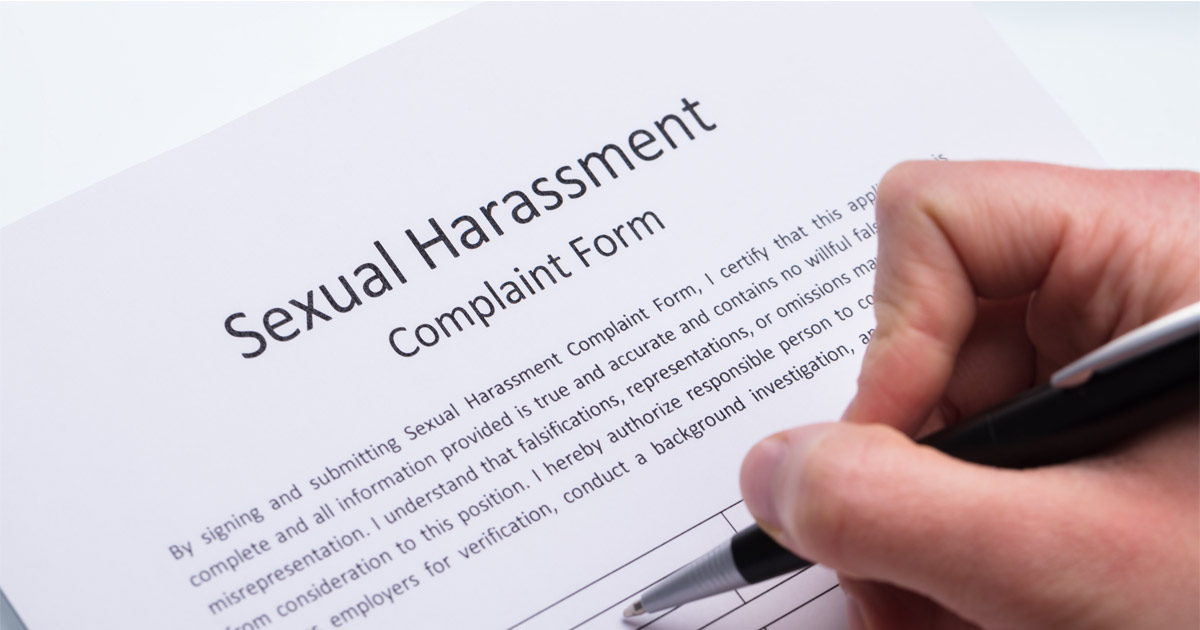
  • Harassment claims, including bullying and sexual harassment
  • Whistleblower claims
  • Wrongful termination
  • Breach of contract
  • Minimum wage complaints, denial of overtime pay, or other complaints involving misclassification

Many employee lawsuits can be avoided by hiring a qualified employment lawyer to assist in drafting policies and employee handbooks, as well as reviewing employee contracts. Employers can also take steps to create a company culture that does not enable sexual harassment in the workplace.

Lawsuits Filed by Customers

Lawsuits filed by customers tend to fall into three categories: premises liability, discrimination, and customer satisfaction. Premises liability lawsuits include slip-and-fall accidents, such as when a customer in a grocery store slips on a wet floor and sustains an injury. Premises liability lawsuits may also involve situations in which the business failed to provide adequate lighting, security cameras, or locks, which resulted in an injury sustained by a customer or other third party. If a business refuses to provide service to a customer because of their sexual orientation, race, religion, gender, or disability, that business may be the target of a discrimination lawsuit.

Customer satisfaction lawsuits typically focus on consumer rights. Customers may allege that they did not get what they paid for, or that the business violated the Fair Credit Reporting Act (“FCRA”) or other consumer-related regulation. In general, a small business may be able to avoid customer satisfaction litigation by reimbursing the customer for the product in question or providing additional services at no charge. In most cases, it costs business owners less to satisfy the customer rather than proceed with litigation, even if they know they customer may be wrong.

Lawsuits Involving Other Businesses

Suppliers, vendors, and competing businesses may file lawsuits involving breach of contract or intellectual property rights. Breach of contract essentially means that the business failed to adhere to the terms of the contact they signed. According to the SBA, approximately one-third of all litigation involving small businesses concerns breach of contract. Breach of contract may take many forms, which include the following:

  • Delivering damaged goods
  • Failing to pay for goods
  • Failing to deliver goods
  • Revealing trade secrets

Issues involving intellectual property rights may also arise with competing businesses. Another firm may claim that their company’s logo, image, or slogan was copied. Within the high-tech industry, lawsuits involving trade secrets are not uncommon.

Cost of Business Lawsuits

According to the SBA, legal costs for small businesses typically range around $10,000 but can easily exceed $150,000. Large companies may pay higher fees. However, the real cost to small businesses is the emotional hardship and upheaval caused to their future operations. Seeking the advice of skilled legal counsel can help businesses avoid these catastrophes.

Philadelphia Employment Lawyers at Sidkoff, Pincus & Green P.C. Help Business Owners Facing Litigation

If you are a business owner facing a lawsuit, the Philadelphia employment lawyers at Sidkoff, Pincus & Green P.C. are always available to advise your business regarding the best course of action when you face legal challenges. We can help you stay focused on running your business while we handle your legal matters. Whether you have a pressing legal challenge now or are looking for skilled counsel to avoid lawsuits in the future, please reach out to our staff by calling 215-574-0600 or contact us online. Located in Philadelphia, we serve clients throughout Pennsylvania and New Jersey.

The COVID-19 Pandemic Is Rewriting Employment Law

By ,

employment agreement

The ongoing COVID-19 pandemic has changed many things within our communities and businesses, including the way employment law is handled. Many employers and employees are questioning what constitutes a safe workplace and what is considered wrongful termination. Attorneys have been flooded with questions regarding employment law during the pandemic and how to handle certain employment situations. Just like everyone else, attorneys are navigating this virus for the first time. Unfortunately, laws and regulations are slightly hazy in the way they should be applied.

Employment Lawsuits

The most common type of lawsuit recently filed involves remote work and leave of absences. These types of lawsuits will likely rise in numbers now that school has resumed. Many employees claim that they have been discriminated against by their employers for having to stay home with their children. Other people claim that they were not given the opportunity to work from home or were told not to take advantage of the Families First Coronavirus Response Act (“FFCRA”), which requires businesses to offer paid or extended leave in response to the virus. Some employees lost their job as a result of the need to work from home to take care of their family, which led to the government implementing the FFCRA. Unfortunately, this legislation was overlooked by many employers, and workers were fired for needing to stay home.

Returning to work has also produced legal challenges. Many employees have inquired about whether employers can require workers to get tested for COVID-19 before they return to work. Testing can be required, but the employer must pay for the time it takes to perform the test. Employers also have the right to send a worker home who shows symptoms of COVID-19, but they do not have to name those who tested positive from the workplace. The most common lawsuit when returning to work involves an unsafe work environment. A safe workplace involves providing personal protection equipment, including masks and hand sanitizer, to prevent the spread of the virus as much as possible.

Unemployment Insurance Benefits

If someone is unemployed as a result of the COVID-19 pandemic, the Federal-State Unemployment Insurance Program may be able to provide them with temporary benefits. These benefits may be provided to certain unemployed workers who are eligible. Many states have responded to the pandemic by expediting the application process and expanding eligibility to ensure that unemployed workers receive the benefits they deserve.

Teleworking

Although not a law, the government is continuing to ask employers to allow their employees to work from home, if possible. This helps contain the spread of the virus and protects workers from getting sick. Teleworking is not being mandated, but it is a precaution that each workplace should be taking. If an employee’s request to work from home was denied, they should contact an employment lawyer for more information on how the request can be approved.

Philadelphia Employment Lawyers at Sidkoff, Pincus & Green P.C. Fight for Employees’ Rights During the Pandemic

If you have been unlawfully terminated or discriminated against by your employer during this difficult time, contact the Philadelphia employment lawyers at Sidkoff, Pincus & Green P.C. for help with your case. Our legal team will work with you to obtain the compensation you deserve. Fill out our online contact form or call us at 215-574-0600 today for an initial consultation. Located in Philadelphia, we serve clients throughout Pennsylvania and New Jersey.

  Category: Coronavirus, Employment
  Comments: Comments Off on The COVID-19 Pandemic Is Rewriting Employment Law
  Other posts by