


















Category: Sexual Harassment


How To Recognize Same-Sex Sexual Harassment?

By ,

Philadelphia Employment Lawyers at Sidkoff, Pincus & Green P.C. Uphold Worker Rights.

Many people think of sexual harassment as occurring between a man and a woman. HR departments most frequently hear reports of sexual harassment caused by males.

Many instances of same-sex sexual harassment also occur. The instances generally are less frequent, but are just as harmful as opposite-sex sexual harassment. Job providers also are just as liable when it occurs.

The Equal Employment Opportunity Commission (EEOC) enforces federal laws against workplace sexual harassment. Victims of workplace sexual harassment could file complaints that the EEOC will review. When harassment is confirmed, the victim can file a federal lawsuit against the employer and anyone involved in the harassment.

Common Reasons for Same-Sex Harassment

Title VII of the Civil Rights Act of 1964 defines sexual harassment as unwelcome behaviors or actions that are sexual in nature and create a hostile work environment. It also is illegal to demand sexual favors in exchange for employment or job assignments.

Sexual harassment is not necessarily done to obtain sexual favors. Harassers often do it to intimidate the target and cause that person to be distressed. Same-sex harassment is no different.

Many times, the harassment is done to:

  • Coerce and threaten an individual
  • Degrade and demean someone
  • Make the target quit a job

A single incident does not automatically qualify as sexual harassment. An offensive comment or general teasing does not amount to sexual harassment, but it likely would violate workplace rules.

The activity rises to the level of sexual harassment when it is done to obtain sexual favors or creates a hostile work environment. Seeking sexual favors is a fairly simple concept, but a hostile work environment is more complicated.

A harasser could create a hostile work environment in many ways.

The individual might tell offensive jokes of a sexual nature or make generally offensive comments about your appearance. The harasser might circulate pornographic content or partially or fully nude photos.

Even ridiculing a person for not conforming to an expected standard of behavior could qualify as sexual harassment. For example, a male coworker might continually refer to another male as a “girl” or use degrading terms based on that person’s perceived sexual preferences.

No matter the reason, when sexual harassment occurs, your employer is responsible for putting an end to it.

Reporting Same-Sex Sexual Harassment and Other Offenses

If you are subject to sexual harassment from the same sex or anyone else, your employer is responsible for correcting the matter. You should be able to report the problem to your supervisor and investigate the matter.

If your supervisor is the cause of the harassment, someone with authority over that individual should correct the problem. That person might be the owner or another highly placed individual.

At all times, your employer is responsible for maintaining a safe work environment. When sexual harassment of any sort creates a hostile work environment, ignoring it or retaliating against a worker for reporting the problem is against the law.

Philadelphia Employment Lawyers at Sidkoff, Pincus & Green P.C. Uphold Worker Rights

Victims of sexual harassment from the same sex or anyone else can get help from our experienced Philadelphia employment lawyers at Sidkoff, Pincus & Green P.C. Call us at 215-574-0600 or contact us online to schedule a consultation at our Philadelphia law office. We represent clients in South Jersey and throughout Pennsylvania and New Jersey.
Can Misconduct at an Off-Site Work Party Qualify as Sexual Harassment?

By ,

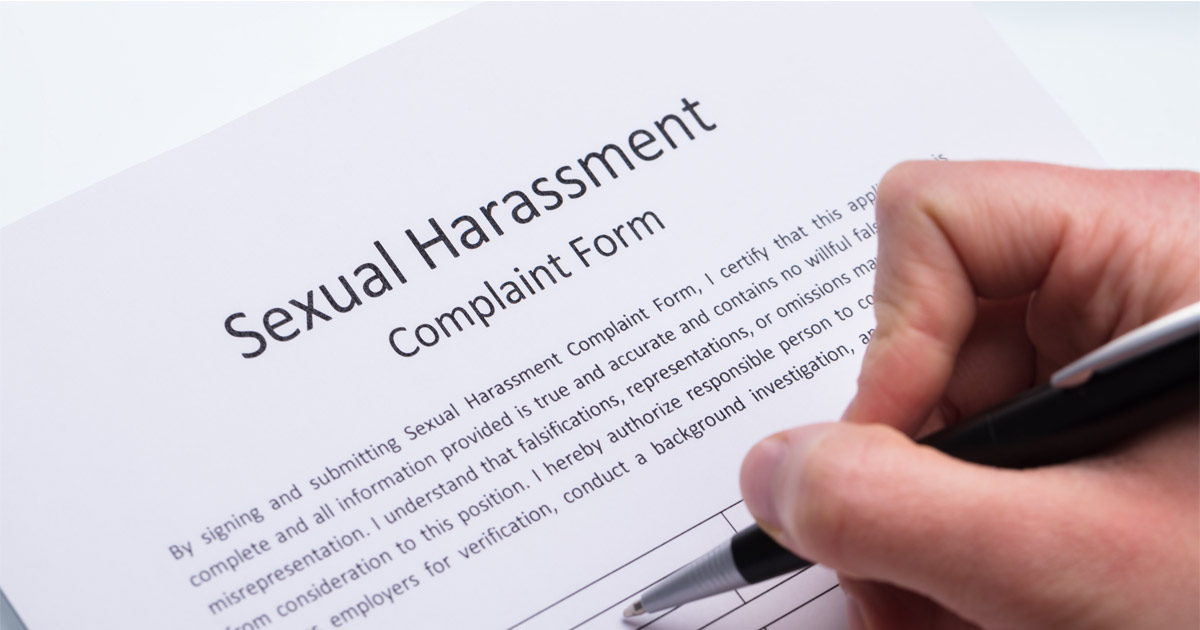
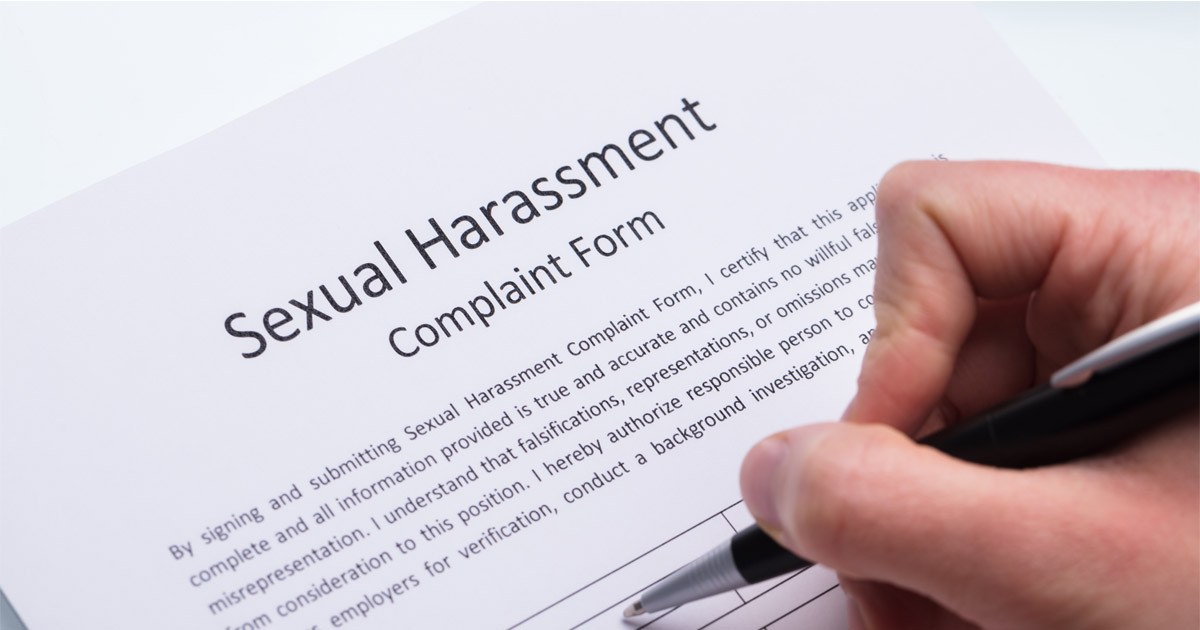
off-site-Sexual Harassment

Many employers have codes of conduct or otherwise generally accepted standards of behavior that workers and manager must follow. Under the best of circumstances, codes of conduct promote a safe work environment. They also help to prevent workers from embarrassing their employers through criminal activity or other unacceptable behavior that might trigger the need for legal assistance from an experienced lawyer.

Employer-enforced codes of conduct clearly apply in the workplace, but just how far that workplace responsibility extends could become the crux of a lawsuit. A recent example of a Tennessee sexual harassment case regarded off-site activities involving off-the-clock employees that eventually entered the workplace.

The event began as an October Halloween costume party that started at the restaurant where attendees worked in 2017. The organizers were in managerial positions and encouraged workers to drink, gave them discounted drink coupons, and sold alcohol to the workers. After the party concluded, several attendees continued the festivities at the home of another worker.

Sexual Harassment Claim Arises

While at the off-site party, an individual allegedly grabbled a female worker by her neck and suggestively pressed his body into hers on two different occasions while at the party. The individual who pressed his body into the worker was an assistant manager at the restaurant and described as the second-in-command at the workplace.

The apparent victim and several of her coworkers afterward reported the incidents to the manager in charge, but the manager dismissed the actions as acceptable behavior. Upon learning of others who experienced the same treatment from the same individual that night, the woman filed a written sexual harassment complaint.

Workplace Retaliation Alleged

Despite a female worker complaining about sexual harassment from a manager and corroborating accounts from others, the worker’s employer did nothing, which gave rise to workplace retaliation. The complaints and initial reaction by management all agreed that the assistant manager in question clearly engaged in the behaviors mentioned. The assistant manager clearly was in a position of power over others and allegedly engaged in unwanted touching and downright unlawful behavior.

However, instead of investigating the complaint, the manager in charge, who also is female, dismissed the matter and blamed the female workers for dressing scantily. The complaining worker afterward says she endured workplace retaliation and ongoing harassment from the assistant manager, including outside her home. The assistant manager maintained his position of power over several women who complained about his behavior, and those workers were forced to serve him whenever he ate at the restaurant.

The worker who complained the most says her managers reduced her work hours and gave her less-favorable work assignments that greatly reduced her tips and work income. The woman also was reprimanded for wearing alleged inappropriate clothing during the Halloween party and was the only worker reprimanded for the claimed offense. She filed a sexual harassment complaint that went to a state trial court.

Courts Weigh Case Merits

The subsequent showed the manager in question was drunk and allegedly made at least five women fear for their safety due to his behavior at the after-hours party. The court ultimately ruled the event took place outside of the workplace, was voluntary, and any alleged sexual assault was not work-related. An appellate court disagreed, however.

An appeal of the lower court’s decision eventually resulted in a judgment against the workplace and the manager in question. The appellate court determined the after-party was a continuation of the word-sponsored event and that employer reasonably should have known about the unsavory behaviors of the manager in question.

The case clearly illustrates the complexities of workplace responsibilities by employers and how even off-site events could trigger the need for services from an experienced lawyer.

Philadelphia Employment Lawyers at Sidkoff, Pincus & Green P.C. Resolve Off-Site Sexual Harassment Cases

The Philadelphia employment lawyers at Sidkoff, Pincus & Green P.C. help clarify complicated legal matters in the workplace, such as liability for off-site sexual harassment. It may be difficult to pursue a lawsuit regarding after-hours sexual harassment, but we can help you build a strong case. Call us at 215-574-0600 or contact us online for an initial consultation. We are located in Philadelphia, and we serve clients throughout Pennsylvania and New Jersey.
  Category: Sexual Harassment
  Comments: Comments Off on Can Misconduct at an Off-Site Work Party Qualify as Sexual Harassment?
  Other posts by

How Important is Confidentiality in a Sexual Harassment Case?

By ,

Confidentiality

When a person is victimized by sexual harassment at work, it can be an awkward and embarrassing situation for them. They might feel uncomfortable at work, but they might also feel scared. They might want to tell someone but are afraid to talk for fear of retaliation. There are options for them to tell their story and maintain their confidentiality. As for those that can be targets of sexual harassment claims in the office, the question of confidentiality can be an important one, especially if the accusation is false or made with ill intentions. A false claim can get out and haunt a person throughout their career.

Is My Case Confidential with a Lawyer?

For those who suffered from sexual harassment at work and found that their employers have not been responsive to their claims, they can turn to an employment lawyer for help in the matter. They can feel confident that their story will remain between them and their legal representative. Lawyers are obligated by client confidentiality, meaning that what is said between the two parties remains between them. This rule allows them to speak freely with a client and gather all the information necessary to properly build a case.

The privilege covers potential clients, as well as if someone meets with a lawyer during an initial consultation, they should feel comfortable sharing their story. Even if after that meeting, the two sides decide not to continue with their professional relationship, the lawyer cannot disclose the details of that conversation with a third party. When a lawyer decides to take on a sexual harassment case, they can file the case without disclosing the victim’s name in the court documents. The identity of the victim might still be known by others related to the case or inferred from co-workers due to circumstances. However, if others attempt to look up the case, the name and other specific details will not be included in the final report.

Confidentiality During an Investigation

When an employee comes forward with a sexual harassment claim, it is a serious accusation that the company must treat as such. Once an accusation is made, a full investigation will be conducted to look into the accusation to verify its validity. The supervisor will either appoint someone to conduct the inquiry or do it themselves. There will be two goals of the investigation. The first is to obtain all the facts about the situation and get to the truth. The second, is to prevent any future problems from taking place again or stopping the ongoing abuse.

During an investigation, the person conducting the investigation must try to maintain the highest level of confidentiality as possible and protect the identities of the alleged victim and accuser. The investigator will have to disclose to the alleged abuser about the accusation and where it comes from and disclose some information to the people that were questioned. However, if the facts of the situation get out before a full and proper investigation, either the alleged accuser or harasser could sue on a few grounds.

Philadelphia Employment Lawyers at Sidkoff, Pincus & Green P.C. Advocate for Victims of Sexual Harassment in the Workplace

If you feel that you have been the subject of sexual harassment at work or you have been falsely accused of harassing someone at your workplace, contact the Philadelphia employment lawyers at Sidkoff, Pincus & Green P.C. We will investigate your case and determine the next best steps. Call us at 215-574-0600 or contact us online for an initial consultation. Located in Philadelphia, we serve clients throughout Pennsylvania and South Jersey.

Recent Study Reveals Extent of Sexual Harassment in Workplace Culture

By ,

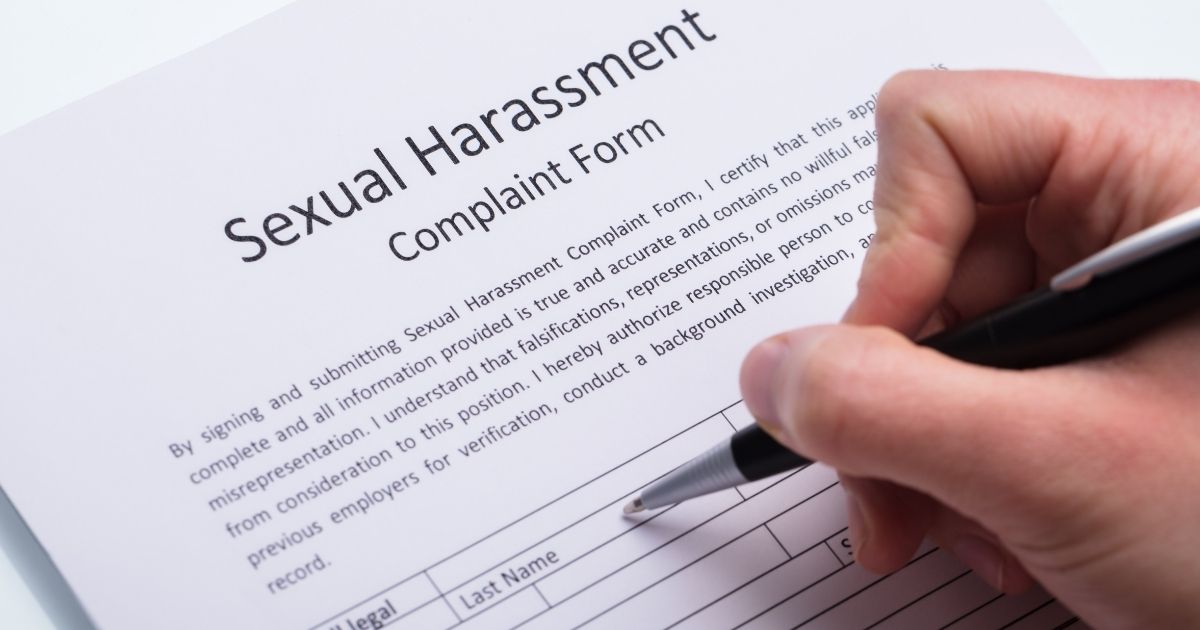
Sexual Harassment Complaint Form

A recent survey of 2,120 legal professionals indicated that sexual harassment continues to be a serious problem in the workplace. The study, released by Women Lawyers on Guard, was reviewed in a July 2020 article published in the ABA Journal. The study focused on the effects of sexual harassment, as well as how sexual harassment in the workplace has evolved during the past 30 years. The study concluded that sexual harassment is deeply embedded in workplace culture, and only by changing that culture can progress be achieved.

Survey respondents were asked to characterize sexual harassment incidents in the workplace they experienced in the past 30 years. During that time, the study found a decrease in the percentage of sexual assaults and incidents of threats or bribes in exchange for sexual favors. However, incidents of sexually offensive jokes, sexualized name-calling, and rating women have increased. More than one-third of the incidents today occur in off-site business meetings or at the office, and about one in four occur in private.

Effects of Sexual Harassment

Sexual harassment continues to have negative effects on victims and the workplace environment overall. More than 60 percent of survey respondents reported experiencing anxiety about their careers or workplaces due to sexual harassment. More than one-third believed that the incidents caused a loss in their productivity, and more than one-fourth reported having a negative impact on their careers. Fear of retaliation for reporting sexual harassment was widespread, with 40 percent of respondents replying that this was a concern.

Putting a Stop to Sexual Harassment

It has been more than 55 years since Title VII of the Civil Rights Act outlawed discrimination on the basis of sex. Since that time, most corporations have instituted policies against sexual harassment, requiring employees to attend training courses explaining those policies. Yet, the problem still exists. The Woman Lawyers on Guard study points to several reasons why existing approaches are not working, including the following:

  • Sexual harassment is treated as a compliance issue rather than a workplace culture issue;
  • Sexual harassment is about power; and
  • Unequal power dynamics in corporate structures foster a workplace culture of sexual harassment.

The study suggests that addressing the underlying power imbalance at work must happen first to combat the problem of sexual harassment. Change starts at the top because workplace culture is shaped by the worst behavior the CEO is willing to tolerate, according to the study.

What Steps Can Organizations Take?

The following are steps organizations can take to begin identifying and addressing cultural issues that allow harassment to continue:

  • Gather baseline data about the workplace. This includes identifying the demographics of those in power and surveying employees using a confidential, anonymous reporting tools.
  • Offer meaningful training. Instead of just showing a video once a year, organizations may consider holding group sessions on topics, such as how bystanders can intervene and stop inappropriate behavior.
  • Consider a no-tolerance policy. Rather than let high-performing employees continually get away with inappropriate behavior, organizations should make it clear that all employees must be respectful no matter how much revenue they bring in.

Any type of sexual harassment in the workplace is counterproductive, whether it meets the legal definition of discrimination or creates a hostile work environment. Changing workplace culture is a long process but a necessary one if companies are to move toward positive change.

Philadelphia Employment Lawyers at Sidkoff, Pincus & Green P.C. Respond to Legal Challenges with Experience and Skill

Sexual harassment in the workplace can damage individual productivity and derail careers. The Philadelphia employment lawyers at Sidkoff, Pincus & Green P.C. are familiar with complex legal challenges in cases involving sexual harassment and discrimination. We approach these matters with skill and experience. If you have questions or concerns about sexual harassment in the workplace, discrimination, or any other matter of employment law, call us at 215-574-0600 or fill out our online form. Located in Philadelphia, we serve clients throughout Pennsylvania and New Jersey.
Second Woman Files EEOC Complaint Against DLA Piper Partner

By ,

SPG

A former Human Resources (“HR”) manager with DLA Piper filed an anonymous complaint with the Equal Employment Opportunity Commission (“EEOC”) against one of the company’s partners. The complaint alleges that the partner intimidated her, and that it got to the point where she felt afraid when they were in the office together. Despite a history of positive performance reviews, the HR manager was fired after she complained about the partner’s inappropriate behavior. This was the second woman to file an EEOC complaint against them.

The first complaint was filed against the firm by one of its junior partners, alleging that the partner sexually assaulted her on numerous occasions. In an open letter to the firm, she requested that she be released from the mandatory arbitration agreement so that she could pursue her claims in court. While the firm has not publicly responded to the arbitration request, they did announce that the partner had been let go. However, the junior partner was also put on leave, which her lawyer saw as a smear campaign against a female victim of sexual assault.

The new claimant says she was fired from DLA Piper after she complained about the partner’s inappropriate behavior. She alleged that she and other female employees at the firm felt uncomfortable being in an office alone with the partner, particularly if the door was closed. The details of her allegations are included in a supplemental letter that was sent to the EEOC as part of the initial charge. She is requesting that the EEOC investigate her complaint in conjunction with the initial complaint that was filed by the first complainant and expand the investigation to include a proposed class. According to the letter, there is a pattern of intimidation and retaliation for speaking out against sexually inappropriate behavior by male employees against the proposed class.

Examples of Alleged Abuse

The former HR Manager said that she was ordered to fire an administrative assistant who was over the age of 40, and who had a record of positive performance reviews. Rather than fire her, she transferred the employee to a different office. The partner was allegedly furious at the manager for not following his orders and threatened her by saying that she would be dealt with. Another female employee said that the partner expected women to tolerate his behavior if he paid them extra cash.

DLA Piper released a statement saying that the latest allegations were designed to distract from an ongoing investigation involving the junior partner that was fired. They deny that the partner sexually assaulted or harassed any female employees and was only guilty of poor judgment for having a relationship with an employee.

Philadelphia Employment Lawyers at Sidkoff, Pincus & Green P.C. Protect Victims of Sexual Harassment at the Workplace

If you or a loved one was sexually harassed or assaulted at work, do not hesitate to contact the Philadelphia employment lawyers at Sidkoff, Pincus & Green P.C. We will protect your legal rights and secure the maximum financial compensation you deserve. To schedule a confidential consultation, call us today at 215-547-0600 or contact us online. Located in Philadelphia, we serve clients throughout New Jersey and Pennsylvania.

Pennsylvania Employee Terminated for Legitimate Reasons Despite Claims of Hostile Work Environment and Retaliation

By ,

SPG

On February 13, 2018, a jury found in favor of a defendant employer against a plaintiff alleging hostile work environment and retaliation. In Johnson v. Keystone Quality Transp. Co., Johnson, a former employee of Keystone working as a paratransit van driver, alleged hostile work environment and retaliation after she was terminated. No. 2:16-cv-06603-GJP. Johnson alleged claims under Title VII of the Civil Rights Act of 1964, 42 U.S.C. §§ 2000e, et. seq. (“Title VII”) and the Pennsylvania Human Relations Act, 43 P.S. §§ 951, et. seq. (“PHRA”).

According to the Complaint, while working at Keystone, Johnson’s supervisor began sexually harassing and assaulting her, including sending inappropriate pictures of himself and groping her more than once. Once Johnson reported the harassment, the supervisor was terminated by Keystone for his actions. However, about a week later, Plaintiff was suspended and ultimately fired. In her suit, Johnson alleged she was terminated in retaliation for reporting the harassment.

Keystone successfully rebutted Johnson’s claims by proving that Johnson’s suspension was a result of taking the wrong vehicle and preventing the use of another vehicle as she had the set of car keys on her. Keystone argued that after the suspension was over, Johnson was not terminated, but rather she abandoned her job, as she failed to come back to work. Weighing the facts of the case, a jury determined there was no sexual harassment or retaliation by Keystone against Johnson.

For more information, call our Philadelphia employment lawyers in Philadelphia at Sidkoff, Pincus & Green at 215-574-0600 or submit an online inquiry.

Court Defines Supervisor Under Title VII

By ,

SPG

The United States Court of Appeals for the Third Circuit recently issued a precedential opinion interpreting what it means to be a supervisor in a hostile work environment case. The Court found that a supervisor is someone who controls a sizeable amount of the hours employees work, and/or someone who determines whether employees will be assigned work.

Moody v. Atlantic City Board of Education

Employee Michelle Moody was hired by the Atlantic City Board of Education (BOE) to serve as a substitute custodian in 2011. Moody alleged that she was unhappy with the unsteady nature of her employment, as she was only gainfully employed when the primary custodian could not work. She wanted to work more hours and raised her concerns with a member of the BOE, who suggested that she speak to the custodial foremen of different districts. The BOE member told her that these foremen were responsible for delegating authority to select which substitute custodian would fill in at schools in their respective districts.

Moody then contacted 10 foremen from different school districts, including one named Maurice Marshall. Marshall allegedly began harassing Moody immediately after she started work. According to the Court’s opinion, he allegedly suggested that he would give her more work if she performed sexual favors for him. After a litany of disturbing incidents, including explicit text messages, unwanted sexual contact, and unwanted visits to her home, Moody succumbed to Marshall’s unwanted advances. Although she never received more work hours, after reporting Marshall, her work hours steadily declined.

Determining the Meaning of Supervisor

Moody filed a claim in the District of New Jersey, which was ultimately dismissed on grounds that Marshall was not her supervisor, and that she suffered no tangible adverse employment action. The Third Circuit reversed that decision after an extensive review of Marshall’s role in assigning work to other employees. The Court examined a U.S. Supreme Court precedent that interpreted the term of supervisor. Ultimately, the Third Circuit determined that Marshall had the power to decide whether Moody worked at all and had authority to set her hours, falling under the Supreme Court’s definition of a supervisor. The court also found that during the times Moody was chosen to fill in at Marshall’s school, he was her immediate supervisor.

Philadelphia Employment Lawyers at Sidkoff, Pincus & Green P.C. Handle All Types of Sexual Harassment and Discrimination Employment Claims

If you have suffered adverse employment action due to sexual harassment or discrimination, you may be entitled to compensation. To arrange a consultation with one of our Philadelphia employment lawyers at Sidkoff, Pincus & Green P.C., call us today at 215-574-0600, or contact us online.

Third Circuit Endorses Medical Resident Claims

By ,

SPG

The Court of Appeals for the Third Circuit recently addressed an important question: whether medical residents who allege sexual harassment and retaliation should be treated as employees, students, or both. This is a critical distinction because it determines whether a plaintiff can file a claim under Title VII, or Title IX—each law has different remedies and ramifications for plaintiffs. The court determined medical residents should be treated as both students and employees in this context.

Case Background

Mercy Catholic Medical Center in Philadelphia has four accredited medical residency programs. The unnamed plaintiff was enrolled in one of these programs in 2011, during which time she alleges that the director of the residency program sexually harassed her. She complained to Mercy’s Human Resources Department, which allegedly took no action. The woman further claims she was ultimately removed from the program at the Director’s suggestion in retaliation for rejecting his advances.

The victim filed suit against Mercy under Title IX. The federal district court dismissed her complaint on grounds that Mercy’s residency program was not an “educational program,” and even if it were, she still needed to exhaust her administrative remedies. The court noted that Title VII is the exclusive avenue for relief for employment discrimination claims.

On appeal, the court considered whether the residency program was an “educational program” under Title IX. The court adopted a decades-old definition used in O’Connor v. Davis, which stated that an educational program is one that has features “such that one could reasonably consider its mission to be, at least in part, educational.” According to the court, the analysis as to whether a residency program is educational is a mixed question of law and fact.

The court ultimately found that Mercy falls within the parameters of Title IX, noting that the medical center accepts federal Medicare payments to fund its programs. Its residents are enrolled in a regulated program of study and training, which requires students to work closely with faculty, attend lectures, and take annual exams.

The court found that as the plaintiff was also an employee, she had to bring her claim under Title VII, which requires an exhaustion of administrative remedies before a plaintiff can avail themselves of the judiciary. However, the court further determined that she was not precluded from bringing a private cause of action under Title IX.

The case set forth a list of factors for courts to examine when determining whether a program is a Title IX “educational program or activity,” and as such, is precedential. However, the Third Circuit’s opinion failed to answer the question regarding whether Title IX plaintiffs have the same rights as those who seek protection under Title VII. This, along with several other questions, remains unclear.

Philadelphia Employment Lawyers at Sidkoff, Pincus & Green P.C. Represent Clients in Cases Involving Employment Discrimination and Sexual Harassment

Philadelphia employment lawyers at Sidkoff, Pincus & Green P.C. handle employment law and sexual harassment claims throughout Pennsylvania and New Jersey. To discuss your case, call us today at 215-574-0600 to schedule a consultation or contact us online.
How Pennsylvania Defines “Should Have Known” in a Sexual Harassment Case

By ,

SPG

In Philadelphia, an employer can only be held liable in a sexual harassment suit if they knew or should have known of the sexual harassment, according to the leading case Andrews v. Philadelphia. 895 F.2d 1469, 1468 (3d Cir. 1990). In Andrews, there were openly displayed pornographic pictures in the locker rooms and obscenities were so regular that the court held upper management had to be aware of the situation. Id.

Further, the Eastern District of Pennsylvania held that an employer may be charged with constructive notice of a supervisor’s harassment if the supervisor is vested with unbridled authority to retaliate against an employee or if the harassment was so pervasive and severe or so long lasting that a reasonable employer should have become aware of it.” Id. at *19. If the employer has power over the employee, like scheduling hours or promoting or firing the employee, they are more likely to be held liable because it puts the employee in a position where they have a hard time saying no to sexual advances. Fields v. Horizon House, Inc., the court also discussed should have known as well. Civ. A. No. 86-4343, 1987 U.S. Dist. LEXIS 11315 (E.D. Pa. Dec. 9, 1987).

If instances of sexual harassment occur in front of management, they cannot claim lack of knowledge. However, the most obvious way to alert management about harassment and protect the victim is by filing a report or telling a supervisor in writing.

For more information, contact our Philadelphia sexual harassment lawyers at Sidkoff, Pincus & Green at 215-574-0600 or contact us online.

OSHA Fines Epic Health Services $98K After Investigation of Sexual Assault

By ,

SPG

In February of 2016, an employee filed a complaint with the Occupational Safety and Health Administration (OSHA) after being sexually assaulted by a home care client. The health care worker was employed by AndVenture, which does business as Epic Health Services, and is one of the largest providers of pediatric home health and therapy services for medically frail and chronically ill children.

Prior to OSHA’s investigation, Epic Health had received numerous prior complaints of sexual and physical assaults by employees while working. OSHA found that Epic Health willfully violated regulations involving workplace violence and that Epic Health had no system for reporting threats or incidents of violence. In addition to the citation, Epic Health must also pay a $98,000 fine for the hazards employees encountered while on the job.

Epic Health has fifteen business days from receipt of the citations and proposed fine to comply, request a conference with OSHA’s area director, or contest the findings before the Occupational Safety and Health Review Commission.

Philadelphia Employment Lawyers at Sidkoff, Pincus & Green Advocate for Victims of Work-Related Sexual Assault

If you believe your employer is in violation of the law or your company’s code of ethics, call us immediately. Schedule a consultation by submitting an online contact form or calling 215-574-0600 to discuss your case with one of our Philadelphia employment lawyers at Sidkoff, Pincus & Green.